Ultima III: Exodus
1983 · RPG · Apple II
About Ultima III: Exodus
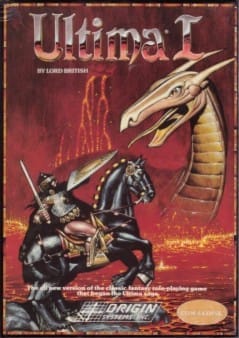
Ultima III: Exodus (1983) is the first Ultima published by Origin Systems, introducing a four-character party and tactical combat as the heroes confront Exodus, spawn of Mondain and Minax.
Ultima III: Exodus in Depth
Exodus, the offspring of Mondain and Minax, the villains of Ultima I and II, threatens the world of Sosaria, and the player travels there to defeat it and restore peace, concluding the Age of Darkness trilogy. Instead of a single hero, players now lead a party of four, built from eleven classes, Fighter, Paladin, Cleric, Wizard, Ranger, Thief, Barbarian, Lark, Illusionist, Druid and Alchemist, and five races, Human, Elf, Dwarf, Bobbit and Fuzzy, distributing points across Strength, Dexterity, Intelligence and Wisdom; race caps each statistic and so limits spellcasting. Classes balance fighting, magic and thieving differently, from Fighters who use every weapon and armour to Alchemists with daggers, half of the wizard spells and half the thieving skills.
On the map the party moves as one icon, but battles switch to a tactical screen where each character and enemy acts in turn, unlike the one-on-one blows of earlier Ultimas. Overworld enemies can be seen and avoided, while those in dungeons appear without warning, and the dungeons, now solid 3D rather than wireframe, are woven into the plot. Characters level up only by visiting Lord British. Townspeople can be bribed, robbed or attacked, though guards arrive in parties of eight; Lord British himself cannot be killed in a fight, though cannon fire from a ship in the moat can briefly topple him. It was one of the first computer RPGs with animated characters, and it added a musical score.
Making Ultima III: Exodus
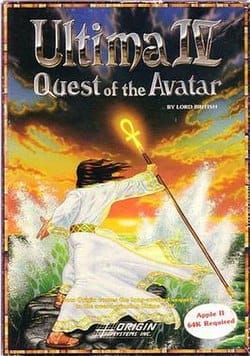
Released in 1983 for the Apple II, it was the first Ultima published by Richard Garriott's own company, Origin Systems, and ports followed on many systems. It sold over 120,000 copies by 1990 and ranked among the best-selling Apple II games. Softline said it "far surpasses" its predecessors, praising its "masterfully unified" plot and tactical combat and saying it "sets new standards for the fantasy gaming state of the art". Credited with laying foundations for the RPG genre, it was described by Computer Gaming World in 1994 as "the game that became known as Ultima to hundreds of thousands of cartridge gamers". Ultima IV: Quest of the Avatar followed in 1985.
Ultima III: Exodus Trivia
- It was originally released as Exodus: Ultima III.
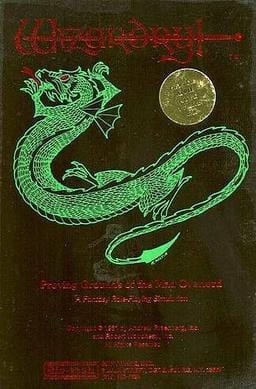
- Richard Garriott credited Wizardry as the inspiration for its party-based combat.
- It was ported to 13 other platforms, including a NES/Famicom remake.
- It sold over 100,000 copies by August 1986.
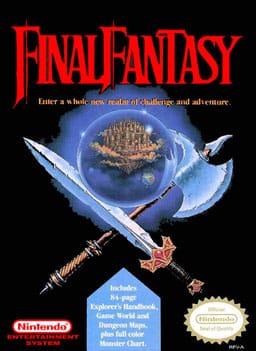
- It is credited with influencing Dragon Quest and Final Fantasy.
Sources & further reading
- Ultima III: Exodus — Wikipedia