Mega Man 2
1988 · Platform / Action · NES
Overview
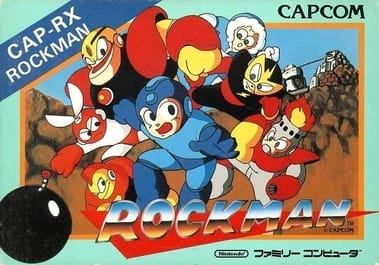
Mega Man 2 (1988) is Capcom's NES sequel with eight Robot Masters, a password system and a celebrated soundtrack — the game that made the series.
Deep Dive
Mega Man 2 expands the original to eight Robot Masters — Metal Man, Air Man, Bubble Man, Quick Man, Crash Man, Flash Man, Heat Man and Wood Man — each tackled in any order and each yielding a weapon for the others. Passwords let players continue their progress, easier difficulty options helped newcomers, and utility items built paths across gaps. Made by a small team after the first game's modest sales, it was a critical and commercial success, and Takashi Tateishi's music became some of the NES's best known.
Developer Story
Mega Man 2 was designed by Akira Kitamura and Keiji Inafune at Capcom in 1988. After the original Mega Man's modest sales, Capcom was reluctant to make a sequel. The development team worked on it as a side project with minimal budget. The resulting game — with eight Robot Masters, a password system, and expanded music by Takashi Tateishi — was critically praised and commercially successful, saving the franchise.
Did You Know?
- Mega Man 2 was developed by a skeleton crew working overtime on a rejected project — Capcom's management had minimal faith in the sequel.
- The game introduced the password system, allowing players to continue from any point — essential for a game with eight long stages.
- Composer Takashi Tateishi created the game's iconic soundtrack in his spare time alongside his regular job — it became one of the most beloved game soundtracks ever.
- The eight Robot Master selection — Metal Man, Air Man, Bubble Man, Quick Man, Crash Man, Flash Man, Heat Man, Wood Man — created the template for every subsequent Mega Man game.
- Mega Man 2 is consistently rated among the greatest NES games ever made, despite being made with little confidence from its own publisher.
Sources & further reading
- Mega Man 2 — Wikipedia