Battle Arena Toshinden
1995 · Fighting · PlayStation
About Battle Arena Toshinden
Battle Arena Toshinden (1995) is Tamsoft and Takara's PlayStation weapons fighter, one of the first polygonal 3D fighting games after Virtua Fighter, whose sidestep is credited with taking the genre into "true 3D".
Battle Arena Toshinden in Depth
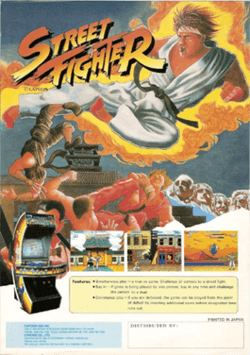
Eight anime-style fighters, designed by Tsukasa Kotobuki, battle with weapons. Each has basic moves, special attacks in the style of 2D fighters like Street Fighter, and a desperation attack usable only when their energy is around 10% or lower. The L and R shoulder buttons sidestep around the arena to dodge projectiles or escape danger, tapping forward makes the fighter run, and holding back blocks basic attacks and reduces damage from specials. A fighter wins by draining the opponent's health, having more health when time runs out or knocking them out of the unwalled arena; a mistimed run or special move can carry a fighter off the edge, which made for unique tactics. The main mode is a run of fights against every character and then the boss.
The tournament, broadcast as bloodsport for an elite audience, is run by the Secret Society, linked to the multinational Gerard Foundation. Its fighters include the Japanese swordsman Eiji Shinjo, searching for his lost brother Sho; his rival Kayin Amoh; Sofia, a whip-wielding Russian detective with lost memories; the miner Rungo Iron, trying to rescue his family; and Ellis, an orphaned dancer seeking her father, who turns out to be the sponsor, Gaia.
Making Battle Arena Toshinden
Takara had been planning the game for another platform until Sony announced the PlayStation in late 1993. Tamsoft and Takara, who had ported Samurai Shodown and other SNK fighters to consoles, gave each character about 1,000 polygons and boasted that, unlike Virtua Fighter, attacks could come from the side or behind and players could circle opponents. It was released in Japan on 1 January 1995, weeks after the console, and as a launch title in the West that September, with re-done English voices.
It sold 696,851 copies in Japan, sold out in its first week in the US, and reached 532,724 there. Critics praised its Gouraud shading, transparencies, camera and sidestep, and EGM named it best fighting game of 1995, though Next Generation thought it lost to Virtua Fighter "by a hair" and GamePro said it relied "more on flash than fighting". The Saturn version sold poorly, and as Tekken and later Soul Edge arrived, the series faded despite sequels starting with Battle Arena Toshinden 2.
Battle Arena Toshinden Trivia
- It was Takara's first original video game, made in under six months from the end of May 1994 by a team that reached 25.
- Sony of America promoted it as a "Saturn killer", yet a Saturn version, Toshinden Remix, came out less than a year later.
- Sony of America used Sofia as a mascot after dropping Polygon Man.
- The DOS version added Earthworm Jim as a guest fighter, using Rungo Iron's moves.
- In 2005 EGM named it the single most overrated game.
Sources & further reading
- Battle Arena Toshinden (video game) — Wikipedia