Keiji Inafune
Japan · Born 1965 · Capcom · Game Designer / Producer
Keiji Inafune designed Mega Man's visual identity and produced the franchise across its NES and SNES peak years, creating one of gaming's most enduring mascot characters and defining the precision action-platformer genre's aesthetic.
Keiji Inafune joined Capcom in 1987 as an artist and character designer, assigned almost immediately to a new action game project that would become Mega Man. The character design — a round-headed blue robot in a suit with a cannon arm — was developed collaboratively, but Inafune drew the finalised version that appeared in the game and on its promotional material. Mega Man (1987) sold modestly on first release in the United States, partly due to cover artwork that bore no relation to Inafune's design, but accumulated a devoted following through rental and word of mouth that justified a sequel. Mega Man 2 (1988), for which Inafune served as both designer and producer, refined the original's formula into what is generally considered the series' peak: eight Robot Masters with memorably distinct designs, a password system that saved progress, and a difficulty curve that rewarded pattern memorisation without demanding it. The game sold 1.51 million copies in Japan and the United States combined — the best-selling entry in the original series. Inafune went on to produce Mega Man 3 through 8 and oversaw the Mega Man X spin-off series on SNES, which he conceived as a darker, faster, more narratively ambitious version of the franchise for players who had grown up with the originals. Beyond Mega Man, Inafune rose to become one of Capcom's most significant producers, overseeing the development of Dead Rising (2006), the Lost Planet series, and Onimusha 3 (2004). His production credits in the 2000s made him one of the most prominent figures in Japanese game development internationally. He left Capcom in 2010 after publicly stating that the Japanese games industry had become creatively stagnant — a statement that generated significant controversy domestically. After Capcom, Inafune founded Comcept and produced Mighty No. 9 (2016), a spiritual successor to Mega Man funded through Kickstarter, raising $3.8 million. The game's development was troubled, its release delayed repeatedly, and the final product received mixed reviews — demonstrating both the enduring emotional capital of his Mega Man legacy and the difficulty of translating that goodwill into a successful independent production. Mega Man 11 (2018), on which he consulted for Capcom, received a warm reception that suggested his relationship with the franchise remained commercially significant decades after its inception.
- Mega Man (1987)
- Mega Man 2 (1988)
- Mega Man X (1993)
- Dead Rising (2006)
- Mighty No. 9 (2016)
- Drew the finalised Mega Man character design as a new Capcom hire in 1987
- Mega Man 2 (1988) sold 1.51 million copies and is considered the series' creative peak
- Produced Dead Rising (2006) and Lost Planet alongside Mega Man franchise oversight at Capcom
- Left Capcom in 2010 citing Japanese game industry stagnation; Mighty No. 9's troubled development followed
23 Games in Archive
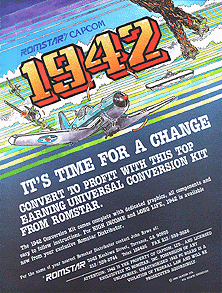
1942
Arcade
Ghosts 'n Goblins
Arcade
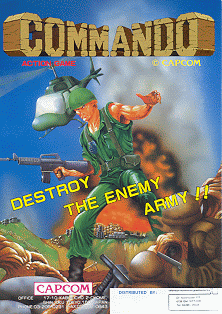
Commando
Arcade
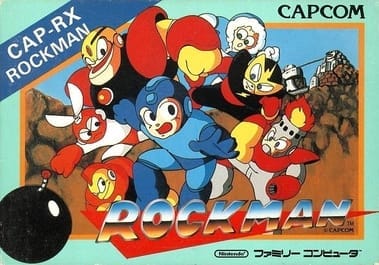
Mega Man
NES
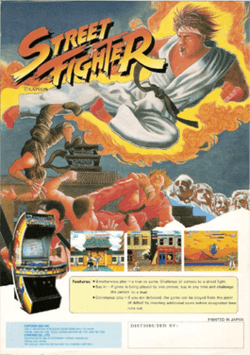
Street Fighter
Arcade

Bionic Commando
Arcade

Mega Man 2
NES

Ghouls 'n Ghosts
Arcade

Strider
Arcade

Final Fight
Arcade

DuckTales
NES

Mega Man 3
NES

Chip 'n Dale Rescue Rangers
NES

Ghouls 'n Ghosts (NES)
NES

Mercs
Arcade

Mega Man X
SNES

Resident Evil
PlayStation

Street Fighter II: The World Warrior
Arcade

Super Ghouls 'n Ghosts
SNES

Disney's Aladdin (SNES)
SNES

Breath of Fire
SNES

Demon's Crest
SNES

Gargoyle's Quest
Game Boy