Role-Playing Games
Character, growth, and world — gaming's most immersive tradition

License: CC BY-SA 3.0
| First CRPG | dnd on PLATO (1974–75) |
| Defining early titles | Ultima, Wizardry (1981) |
| Roguelike origin | Rogue (1980) |
| Influence | Dungeons & Dragons (1974) |
Role-playing games let players inhabit characters who grow in strength and story through exploration and combat. Born from tabletop D&D on university mainframes, CRPGs created gaming's deepest traditions of narrative ambition, world-building, and character investment.
Overview
Role-playing games (RPGs) are games where the player inhabits a character — or a party of characters — whose statistics, abilities, and story significance grow through experience gained in exploration and combat. The genre uniquely combines systems depth (character builds, stat management, inventory optimisation) with narrative immersion (story, world-building, dialogue), creating gaming's most time-intensive and emotionally invested genre.
History
The computer RPG (CRPG) emerged directly from tabletop Dungeons & Dragons (Gary Gygax and Dave Arneson, 1974). Gary Whisenhunt and Ray Wood created dnd in 1974–75 for the PLATO mainframe — one of the first games with persistent character advancement through levels. Players built characters who accumulated experience and equipment across sessions. This persistence — your character existing between play sessions — was a genuinely new concept in computing.
Richard Garriott (known online as "Lord British") created Akalabeth: World of Doom (1979) as a teenager and sold copies in plastic bags at his local computer store. Its surprise success funded Ultima (1981), combining RPG mechanics with a coherent fictional world on the Apple II. The Ultima series expanded into rich moral frameworks and political systems — Ultima IV: Quest of the Avatar (1985) replaced killing the villain with the pursuit of moral virtue as its win condition, the first RPG to make ethical behaviour the explicit goal.
Andrew Greenberg and Robert Woodhead's Wizardry: Proving Grounds of the Mad Overlord (1981) introduced first-person dungeon exploration with unforgiving party management and permadeath. Its rigour appealed to the hardcore; Japanese developers imported the Wizardry formula into Dragon Quest and Final Fantasy, creating one of the world's most commercially dominant game traditions.
Michael Toy and Glenn Wichman's Rogue (1980) introduced procedurally generated dungeons — every playthrough different. The "roguelike" genre this spawned remains one of the most creatively diverse in gaming, from NetHack to Hades.
Mechanics
RPG mechanics centre on character growth: attributes like Strength, Intelligence, and Dexterity — modelled on tabletop dice systems — modified by equipment and special abilities. Experience points reward combat and exploration; levelling up increases stats and unlocks new abilities. Inventory management — carrying limits, equipment slots, item identification — adds logistical depth that rewards careful planning.
The genre's defining emotional arc is transformation: starting as a fragile novice and becoming powerful enough to challenge gods. This fantasy of personal growth through effort — where time invested is directly reflected in character capability — is a motivational structure no other genre replicates at the same scale.
Cultural Impact
The RPG is gaming's most culturally ambitious genre. Richard Garriott called Ultima IV "the first RPG with a message," and the series' engagement with virtue, ethics, and consequence raised the philosophical bar for what a game could attempt. Japanese RPGs on the NES and Super NES introduced story-driven role-playing to tens of millions of players worldwide, making Final Fantasy and Dragon Quest some of the most beloved franchises in entertainment. The genre's tradition of vast worlds, memorable characters, and hundreds of hours of content continues to define gaming's most dedicated and passionate player communities.
10 Games in Archive
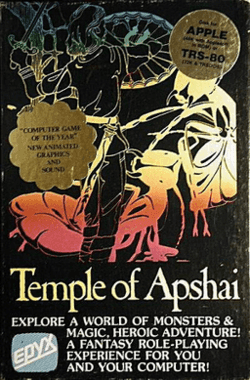
Temple of Apshai
TRS-80 / Apple II
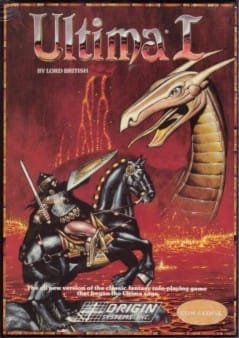
Ultima I
Apple II
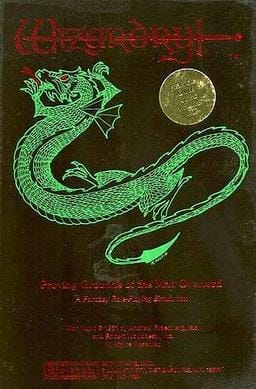
Wizardry
Apple II

Gauntlet
Arcade
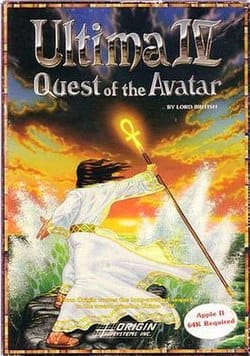
Ultima IV
Apple II / Multiple
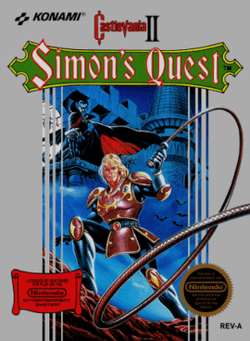
Castlevania II: Simon's Quest
NES

Gauntlet II
Arcade

Zelda II
NES
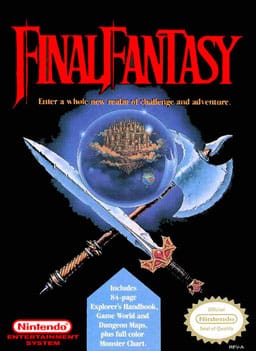
Final Fantasy
NES

Phantasy Star
Sega Master System